Lizard Care
Begin with the named species and life stage, then read each parameter with its source, measurement method, and enclosure context. Do not transfer one lizard's range to another. Keep handling and hygiene guidance visible. Lethargy, feeding changes, abnormal shedding, injury, or other illness signs need assessment by an exotic veterinarian rather than a web diagnosis.
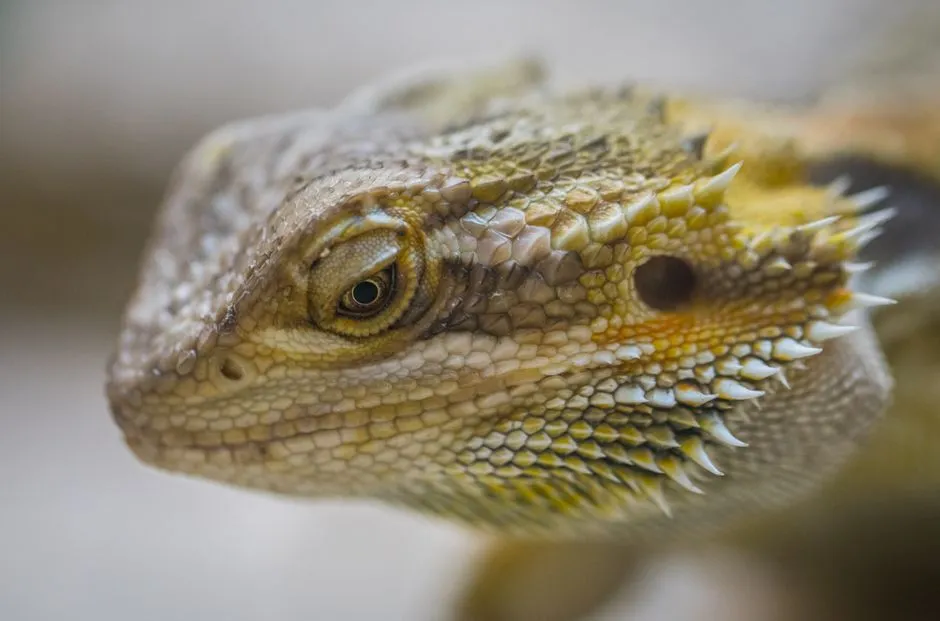
Bearded Dragon Tank Setup: Size, Heat, and UVB Checklist
A bearded dragon tank setup needs six things: a 120-gallon enclosure (about 4x2x2 ft) for an adult, a basking surface of 95-110°F under a halogen flood…
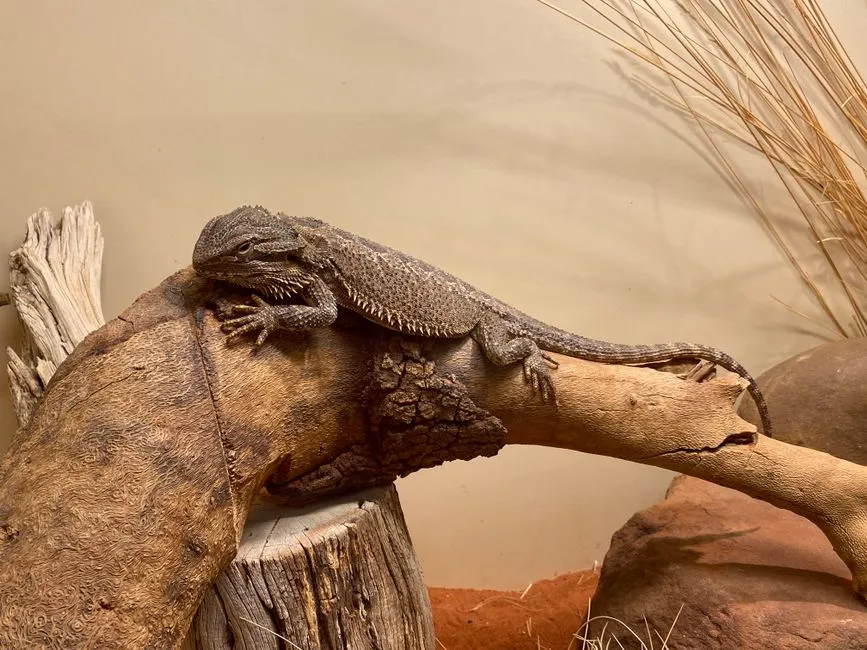
Best Beginner Lizard? Compare the Usual Three
For many first-time keepers, a leopard gecko is the most manageable of the usual choices: it needs a secure ground-level enclosure, live feeder insects,…
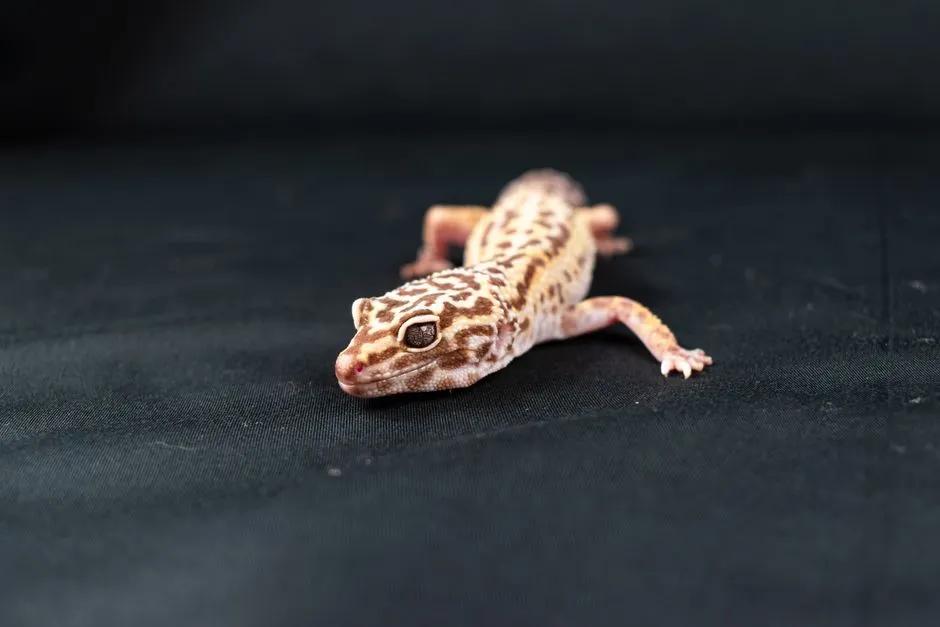
Crested Gecko Care: Temperature, Humidity, and Diet Basics
Crested geckos (Correlophus ciliatus) need cool room temperatures of roughly 72-78F, with sustained heat above the mid-80s F being dangerous.
How to Handle a Pet Lizard Safely
Handle only an identified, settled lizard whose species guide allows it.
How to Care for a Lizard: A Beginner’s Daily Routine
To care for a pet lizard, first identify the exact species and build its enclosure from a current species-specific care standard.
Leopard Gecko Care Sheet: Setup, Diet, and Heat Basics
Leopard gecko care centers on five essentials: an enclosure of at least 36" x 18" x 18" for an adult, thermostat-controlled heat giving a 90-95°F basking…
How Big Should a Lizard Tank Be?
A lizard enclosure must meet the current adult minimum in a named care standard for the exact species, then provide the orientation, temperature and UVB…
What Do Pet Lizards Eat? A Species-First Guide
Pet lizards do not share one diet. A leopard gecko is primarily an insect-eater, a green iguana is a leaf-eating herbivore, and a bearded dragon eats…
- Crested Gecko Care: Temperature, Diet, and Misting Basics
- Blue Tongue Skink Enclosure Setup: A Realistic Checklist