How to Handle a Pet Lizard Safely
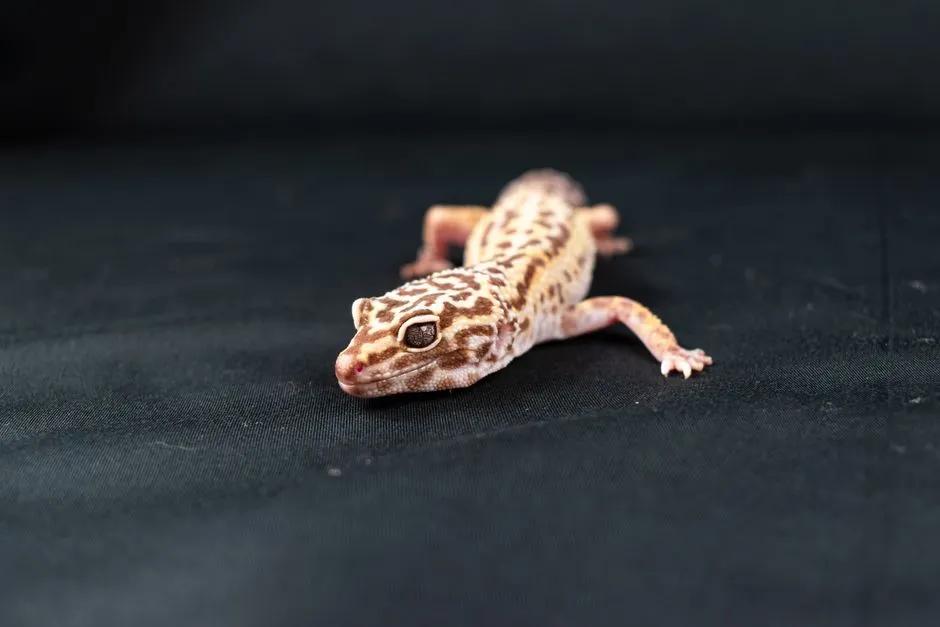
How do you handle a pet lizard safely?
Handle only an identified, settled lizard whose species guide allows it. Let the animal see and approach you, support the whole body with both hands, keep the session close to a low stable surface, and stop when it backs away, struggles, threatens to bite or shows distress. Never grab a lizard or restrain its tail. Wash hands with soap and running water afterward, and keep reptiles away from kitchens and children under five.
Handling is not a test the animal must pass. It is a short, voluntary interaction that may make routine health checks easier. Some lizards tolerate it; some prefer not to be carried; sick, newly arrived or shedding animals may need to be left alone.
For species context, read our leopard gecko care guide and bearded dragon setup checklist.
Check the species rule before opening the door
Write down the exact species, individual history and handling guidance from a current veterinary or welfare standard. The same hand position is not suitable for every lizard. A terrestrial leopard gecko needs all four feet supported and no pressure on the tail. An arboreal crested gecko is an able jumper and can drop a tail that will not regrow. A larger bearded dragon needs its body and all four legs supported.
Delay handling while a new animal settles for the period in its care standard. The RSPCA's leopard-gecko, crested-gecko and bearded-dragon guides each advise avoiding unnecessary handling for the first week. That is not a universal number for every species; use the exact animal's standard and veterinarian's advice.
Do not handle a lizard that appears weak, injured, abnormally cold or hot, has repeated shedding trouble, is losing weight or shows a marked behavior change. Contact a reptile veterinarian. Handling cannot diagnose or treat the cause.
Prepare the room first
Close doors and windows. Remove other pets. Clear cups, hot surfaces, cords, gaps, high ledges and moving furniture. Sit on the floor or beside a low clear surface so a slip does not become a long fall. Keep the enclosure door within reach and the route back unobstructed.
Wash and dry your hands before contact so food residue, cosmetics and household chemicals do not transfer to the animal. Do not handle after touching feeder insects or food until your hands are washed. Avoid strong fragrance on the hands.
Only one calm person should handle at a time. Children who are old enough to participate need direct adult supervision and must follow the species-specific hold. The US Centers for Disease Control and Prevention says children younger than five should not touch reptiles, amphibians or their environments.
Let the lizard choose the first move
Approach where the animal can see you. Move slowly and do not chase it around the enclosure. Place a hand as a stable platform and allow the lizard to investigate or climb on when the species guide supports that method.
If lifting is appropriate, scoop from below instead of closing a hand over the back. Support the chest, abdomen and all feet. Keep fingers relaxed but positioned to prevent a sudden step into open space. Never squeeze, pin the animal down or lift it by a limb or tail.
The RSPCA advises leaving a leopard gecko or bearded dragon alone when it backs away or threatens to bite. Its crested-gecko guide says the animal should climb onto the hand voluntarily. Those are useful limits: refusal ends the attempt, not starts a contest.
How long should a handling session last?
Use the species standard, room temperature and animal's response. The RSPCA gives short handling windows for the three named species, but a maximum is not a target. Begin with the brief contact needed for a calm transfer or visual check and return the animal before it cools or becomes unsettled.
Watch for observable changes: repeated escape attempts, rapid or open-mouth breathing outside normal species behavior, flattening, darkening, gaping, tail movement, struggling, freezing or biting attempts. Meanings differ by species, but any escalating response is enough to stop. Lower the animal onto a stable surface or let it step back into the enclosure; do not drop or toss it inside.
What if the lizard jumps or escapes?
Stop people and pets from moving through the room. Close exits, reduce noise and identify the animal's location before reaching. Do not grab the tail or pursue it with furniture. Place an open carrier or familiar hide nearby and use the species-standard transfer method. If the animal enters an electrical appliance, wall void, duct, inaccessible structure or other hazard, switch off the area only through normal controls and contact an appropriate qualified professional; do not dismantle powered equipment.
After a fall, bite, tail injury or other incident, contact a reptile veterinarian for the animal and obtain human medical advice for a serious wound. The CDC says reptile bites and scratches should be washed immediately with warm soapy water and lists serious, painful, swollen or infected-looking wounds among reasons to seek medical attention.
Prevent Salmonella exposure every time
Healthy reptiles can carry Salmonella. The CDC says to wash hands with soap and running water after touching a reptile, its food, waste or habitat equipment and before eating or drinking. Keep the animal and its supplies out of kitchens and anywhere human food is prepared, stored, served or eaten. Do not kiss a lizard or hold it close to the face.
Children younger than five should not have direct or indirect contact with reptiles or their environments. The CDC also identifies adults over 65 and people with weakened immune systems as higher-risk groups and advises considering another pet for such households. Change clothing after handling a reptile before interacting with an infant or young child.