Habitat & Lighting
Shared equipment principles still lead back to species-specific requirements. State the source, unit, measuring instrument, location, schedule, and life stage beside every husbandry parameter. Heat, lighting, and electrical equipment follow manufacturer instructions and require guarded, secure installation. Exposed wiring, uncontrolled heat sources, and improvised fixtures are not reader-judgement steps.
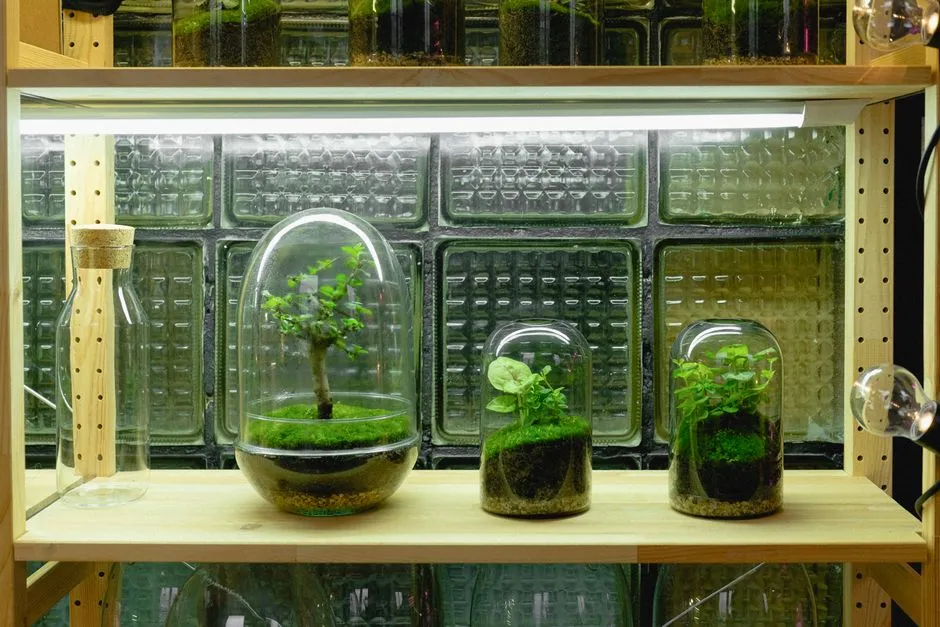
Glass vs PVC Reptile Enclosures: Which Is Worth It for Your Species
Choose a reptile enclosure by the environment your species needs, then by the finished design. Glass offers broad visibility but may have a large mesh top.
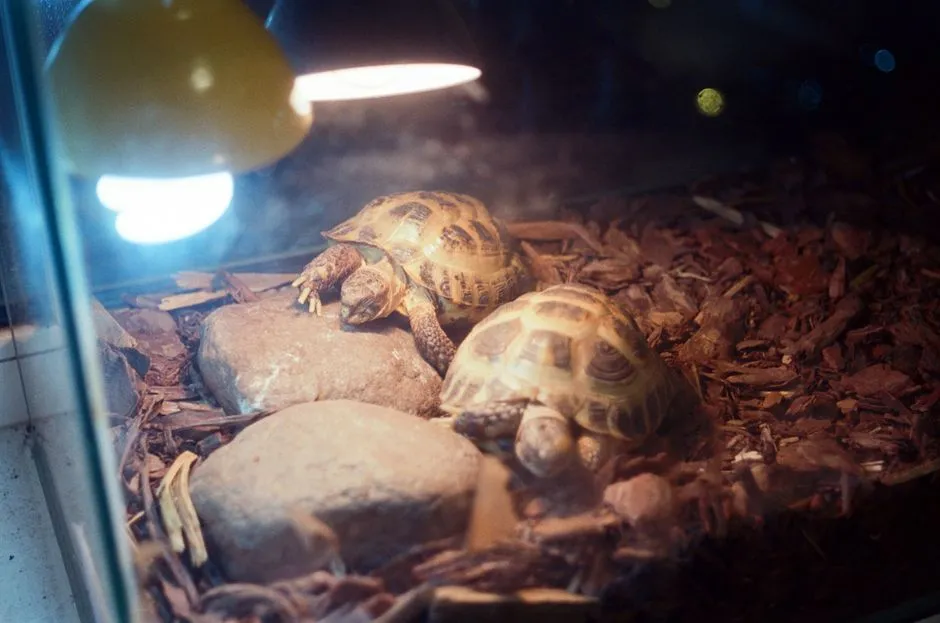
Heat Lamp vs Heat Mat: Which One Your Reptile Actually Needs
Use the heat source specified by a current care standard for the exact reptile.
How to Raise Humidity in a Reptile Tank Without Turning It Into a Swamp
To raise humidity in a reptile tank, confirm the exact species target and measure where its care standard directs.
How to Set Up a Reptile Enclosure Safely
Set up a reptile enclosure by first recording the exact species' adult space, temperature, humidity, lighting, substrate, and water requirements from a…
How to Create a Heat Gradient in Any Reptile Enclosure
A reptile heat gradient is a temperature range across the enclosure: one end heated to the species' basking or warm-side target, the other end left…
Do You Need a Thermostat for a Reptile Heater? What to Look For Before You Buy
Every powered reptile heater needs a compatible thermostat unless its manufacturer documents another control system.
Do Reptiles Need UVB Light? A Species-by-Species Guide
Most diurnal reptiles — bearded dragons, tortoises, turtles, and other daytime baskers — need UVB lighting to synthesize vitamin D3 and absorb calcium;…
- Reptile Thermostats Explained: On/Off, Pulse, and Dimming
- How to Create a Heat Gradient in Any Reptile Enclosure