Snake Care
Use the exact species and life stage before applying any range. Measure where the care standard specifies and document changes instead of treating a single reading as the whole environment. Include sourced hygiene instructions and keep reptiles away from food preparation. Feeding refusal, retained shed, breathing changes, injury, or other illness signs route to an exotic veterinarian.
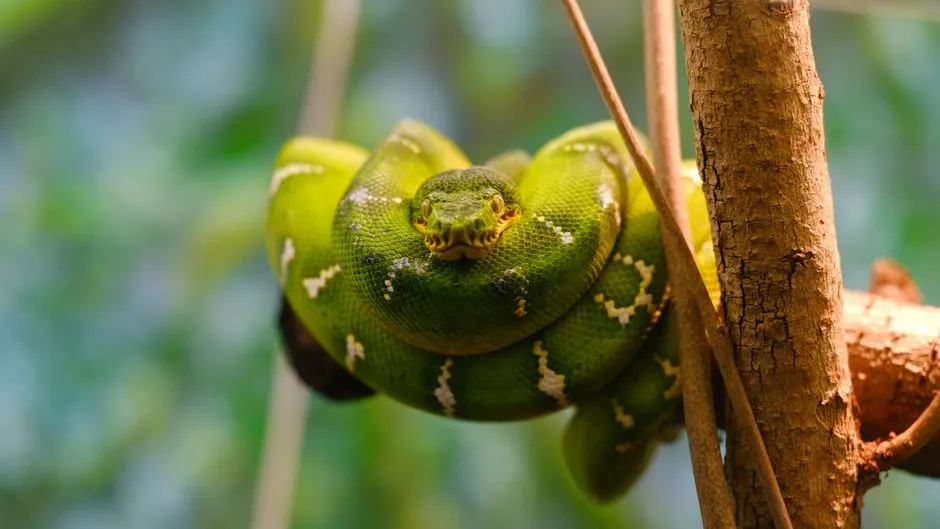
Ball Python Humidity: Ideal Range and How to Keep It Stable
Ball pythons need ambient humidity of roughly 55-70%, raised above that band to about 65-75% during a shed cycle, measured with a digital hygrometer at…
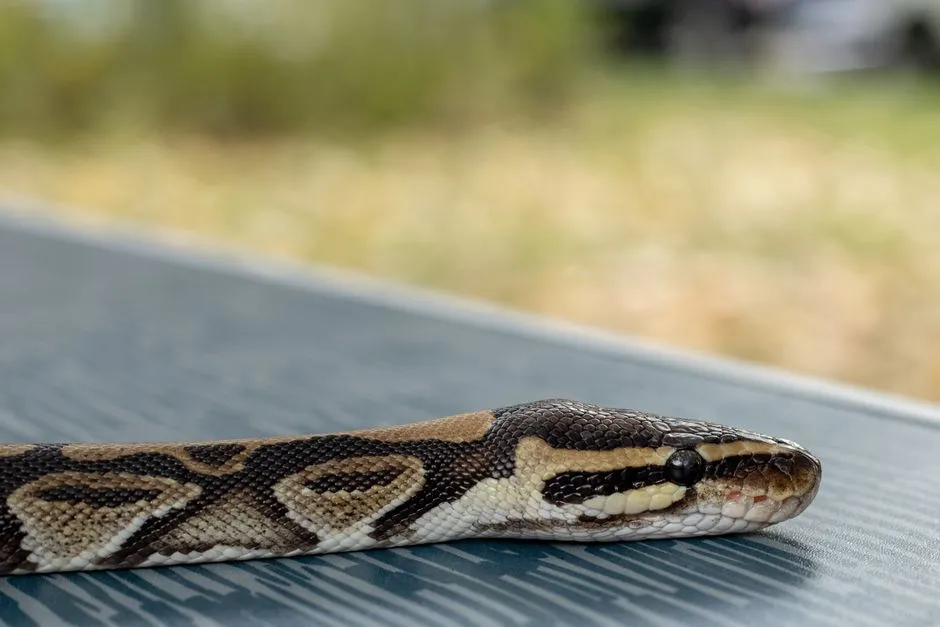
Ball Python Tank Setup: Heat, Hides, and Humidity in the Right Order
A ball python tank needs secure species-sized housing, guarded and thermostatically controlled heat at one end, measured warm and cool zones, multiple…
Which Pet Snake Should a Beginner Get? Comparing the Common First Snakes
A captive-bred corn snake is often the most straightforward first snake because its documented feeding and humidity needs are comparatively manageable and…
Corn Snake Care Sheet: Tank Setup, Temps, and Feeding
Corn snake care centers on a stable temperature gradient — a warm side of 85–90°F (29–32°C) and a cool side of 72–78°F (22–25°C) — with humidity at 40–60%.
How Often Should You Feed a Pet Snake?
Feed on the schedule in a current care standard for the exact species, age and body condition—not a universal weekly rule.
How to Care for a Pet Snake: A Beginner's Guide
Care for a pet snake by matching its enclosure, warm and cool zones, humidity, lighting, hides, water, prey, and feeding schedule to the exact species and…
How Big of a Tank Does a Snake Need? Sizing by Adult Length, Not by the Shop Label
A snake enclosure should let the animal stretch out fully and meet a current standard for its exact species, adult length and body type.
- Corn Snake Care Sheet: Setup, Feeding, and Temperatures
- Ball Python Feeding Schedule by Age and Weight