How Often Should You Feed a Pet Snake?
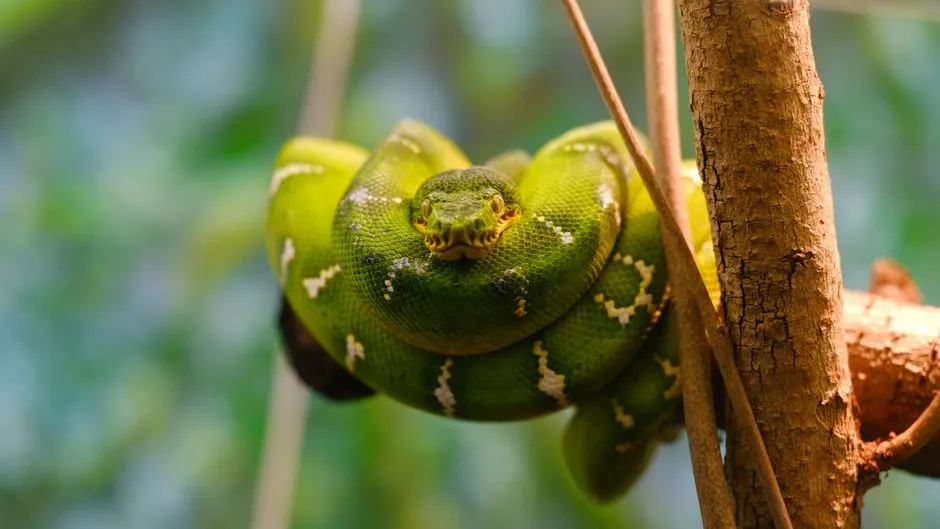
- How often should you feed a pet snake?
- Build the schedule from an identified species
- What do named snake schedules look like?
- How large should snake prey be?
- How do you thaw frozen snake food safely?
- How should you offer a meal?
- What should you do after feeding?
- What if the snake refuses food?
- Keep Salmonella out of the kitchen
- Sources
How often should you feed a pet snake?
Feed on the schedule in a current care standard for the exact species, age and body condition—not a universal weekly rule. The RSPCA's current royal-python and kingsnake guides give roughly five or six days between meals for young animals and about seven to 14 days for adults, adjusted for the snake's weight. Other species eat different prey and may need a different pattern. Record meals and weights, and take persistent refusal or weight loss to a reptile veterinarian.
A calendar is only one part of the decision. Prey type and size, the animal's life stage, measured enclosure conditions, recent weight trend and health all affect whether the plan is appropriate.
For one species-specific environmental check, see our ball python humidity guide.
Build the schedule from an identified species
Before feeding, write a simple card with:
- the accepted common and scientific name;
- age or life stage;
- current weight and recent trend;
- prey type and size in the named care standard;
- planned feeding interval;
- supplier storage and thawing instructions; and
- the reptile veterinarian's contact details.
If the label says only “python,” “boa” or “snake,” obtain a positive identification and history before setting a schedule. Ask the breeder, rescue or reptile veterinarian what the individual was reliably eating. Do not infer the species from a shop's feeding chart.
The enclosure must already meet the species-standard temperature, humidity, light and security requirements. A snake kept outside its correct thermal range may not digest or behave normally. Measure the habitat and correct husbandry problems with the appropriate care standard; do not respond by repeatedly offering more food.
What do named snake schedules look like?
Published numbers are useful only inside their species scope.
| Species | RSPCA example | Important qualifier |
|---|---|---|
| Royal python | Young snakes typically every 5–6 days; adults around every 7–14 days | Adult interval depends on the animal's weight |
| Kingsnake | Hatchlings begin around every 5–6 days; adults may reach every 7–14 days | Prey size increases as the snake grows |
| Garter snake | A varied diet can include defrosted rodents or fish and commercially sourced earthworms | The current guide does not give one universal interval; obtain a species-specific plan |
Do not average these into “all snakes eat every ten days.” A hatchling, a mature heavy-bodied python and an active garter snake are not interchangeable. Breeding status, illness and individual weight can change the veterinarian's advice.
Update the card when the prey size or interval changes. Keep the old entry so a weight shift can be matched to the actual feeding history.
How large should snake prey be?
The RSPCA's royal-python and kingsnake standards use prey slightly wider than the widest part of the snake's body as their general sizing rule. That is source-specific guidance for those animals, not permission to use the same visual rule for every species or prey type.
Buy appropriately sized, commercially supplied prey. Do not feed wild-caught rodents or animals. If the required prey size is unclear, ask a reptile veterinarian rather than moving up because the previous meal disappeared quickly.
One correctly selected item may be the stated meal for a rodent-eating species; a species that eats smaller varied items needs its own standard. Garter snakes, for example, have a more varied RSPCA diet, and the guide warns that filleted fish alone misses nutrients supplied by whole vertebrate prey. It also routes fish selection questions to a reptile veterinarian.
How do you thaw frozen snake food safely?
Keep reptile food separate from human food. The US Centers for Disease Control and Prevention says feeder rodents can carry germs even when frozen. Use a dedicated container for storing and thawing them, keep it away from human food, and never use a kitchen sink, food-preparation area or microwave for thawing.
Follow the prey supplier's storage and thawing directions. The RSPCA's kingsnake guide says frozen prey must be fully defrosted and brought to room temperature before offering. Check the whole item, not only the surface. Do not offer prey that is still frozen, spoiled, damaged or outside the supplier's safe handling instructions.
Wash hands with soap and running water after handling prey. Clean and disinfect the dedicated container and contacted surfaces immediately, following the product label. Never wash feeder equipment beside dishes or food.
How should you offer a meal?
Follow the exact species care standard. The current RSPCA royal-python and kingsnake pages advise offering prey with tongs inside the vivarium. Keep hands out of the strike path, keep other pets and people away, and close the enclosure securely after the feeding attempt.
Do not leave an offered item unrecorded. Note accepted, refused or removed, along with the date and prey size. Dispose of refused prey according to the supplier's handling instructions; do not refreeze an item unless the supplier explicitly says the complete handling history permits it.
The RSPCA standards use dead or frozen-then-thawed prey for the rodent-eating species described here. Live vertebrate prey can injure a snake and creates additional animal-welfare and legal issues. Do not substitute it because a meal was refused; contact a reptile veterinarian about persistent refusal.
What should you do after feeding?
Leave the snake undisturbed for the period in its species standard. The RSPCA's royal-python and kingsnake guides say to wait 48 hours after feeding before handling to reduce the chance of regurgitation. Treat that as guidance for those named species, not a universal post-meal clock.
Keep the enclosure secure and continue normal environmental checks without unnecessary disturbance. Record regurgitation, abnormal droppings or marked behavior changes. Do not immediately refeed after regurgitation or give medicines, supplements or home treatments; call a reptile veterinarian for individual direction.
What if the snake refuses food?
One refusal is a record, not a diagnosis. Check the feeding card, prey identity and size, handling history and measured habitat against the species standard. Do not repeatedly offer food, change several husbandry variables at once or force-feed.
Contact a reptile veterinarian when refusal is persistent or sudden, when weight is falling, or when it occurs with weakness, abnormal breathing, mouth changes, swelling, regurgitation, diarrhea or other concerning signs. The RSPCA specifically advises a reptile specialist for a royal python or kingsnake that suddenly stops feeding.
Bring the weight log, meal records, prey labels and enclosure measurements. Those details let the veterinarian assess the actual pattern rather than a remembered estimate.
Keep Salmonella out of the kitchen
The CDC says reptiles and their food or equipment can spread Salmonella. Wash hands with soap and running water after feeding, handling prey, touching the snake or cleaning habitat equipment and before eating or drinking. Keep all of it out of kitchens and places where human food is prepared, stored, served or eaten.
Children younger than five should not touch reptiles, their food or environments. The CDC also identifies adults over 65, pregnant people and people with weakened immune systems as groups that should not handle feeder rodents. Arrange another adult keeper or consider another pet when the household cannot maintain those boundaries.