Corn Snake Care Sheet: Tank Setup, Temps, and Feeding
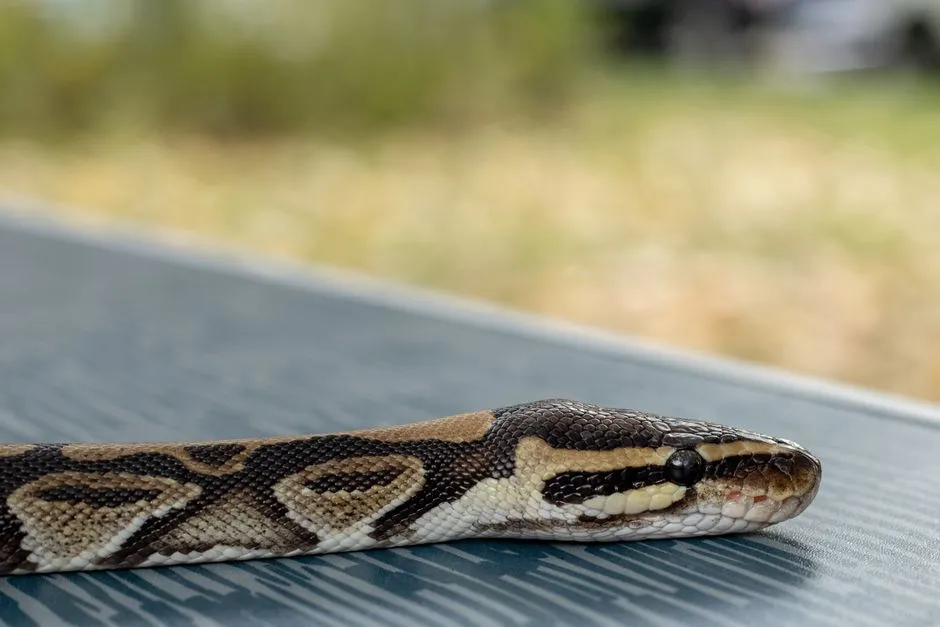
Corn Snake Care at a Glance
Corn snake care comes down to a few numbers held steady: a warm side around 85–90°F (29–32°C), a cool side around 72–78°F (22–25°C), humidity in the 40–60% range, and a secure enclosure of at least 36" x 18" x 18" for an adult — with a 4' x 2' x 2' setup being the better long-term choice. Feed appropriately sized frozen-thawed mice on a schedule that stretches out as the snake grows, provide at least two hides and a water bowl, and lock the lid, because corn snakes are famous escape artists.
That's the summary. The rest of this guide works through each of those pieces in enough detail to actually set the enclosure up, measure whether it's working, and know when something has gone wrong enough to call a reptile vet.
Quick species profile:
- Species: Pantherophis guttatus, a North American colubrid
- Adult size: typically 3–5 feet (90–150 cm); some individuals a bit longer
- Lifespan: commonly 15–20+ years in captivity with good care
- Temperament: generally docile, food-motivated, and tolerant of gentle handling
- Difficulty: one of the best beginner snakes — forgiving, but not maintenance-free
Why Corn Snakes Are a Great First Snake
Corn snakes earn their beginner-friendly reputation honestly. They stay a manageable size, they rarely refuse food the way ball pythons famously do, they tolerate the humidity found in most homes without daily intervention, and they're active enough to be genuinely interesting to watch — especially at dawn and dusk, when they're naturally on the move.
None of that means they thrive on neglect. "Hardy" describes their tolerance for keeper mistakes, not an invitation to make them.
One habit to build from day one: never assume care advice for one snake species applies to another. A ball python's humidity requirements, for example, are meaningfully higher than a corn snake's — our guide to ball python humidity shows just how different two "beginner snakes" can be.
Corn Snake Enclosure Size and Setup
How big should the tank be?
For a single adult corn snake, treat a 36" x 18" x 18" enclosure (roughly a 40-gallon breeder footprint) as the working minimum, and a 48" x 24" x 24" (4' x 2' x 2') enclosure as the recommended standard. Corn snakes are semi-arboreal explorers; given branches and height, they use them. Bigger is better here, provided the space is furnished with cover rather than left as open, exposed floor.
Hatchlings and small juveniles can start in a smaller enclosure — many keepers use something in the 10–20 gallon range — mainly because a tiny snake in a huge, sparsely decorated space can feel exposed and may go off food. If you start big, solve that with clutter: plants, cork bark, and hides throughout, so the snake is never more than a body length from cover.
Non-negotiable: a securely latching or locking lid. Corn snakes push at every seam, and an adult can lift an unweighted screen top. Most "my snake vanished" stories start with a lid that seemed fine.
What goes inside
- Two hides minimum — one on the warm side, one on the cool side, each snug enough that the snake touches the walls. Add a third "humid hide" with damp sphagnum moss during shed cycles.
- A water bowl large enough for the snake to soak in, refreshed regularly and washed whenever it's fouled.
- Climbing structure — secure branches, cork rounds, or ledges. Fasten anything heavy so it can't shift and pin the snake.
- Cover and clutter — fake or live plants, leaf litter, backgrounds. A corn snake that feels hidden is a corn snake you'll actually see out exploring.
Substrate: safe and unsafe options
| Substrate | Verdict | Notes |
|---|---|---|
| Aspen shavings | Good | The classic choice; holds burrows; keep it dry |
| Cypress mulch | Good | Handles slightly higher humidity well |
| Coconut husk/fiber blends | Good | Naturalistic; works in bioactive setups |
| Paper towel / unprinted paper | Acceptable | Fine for quarantine and hatchlings; not enriching |
| Cedar or pine shavings | Unsafe | Aromatic oils are associated with respiratory and skin harm in reptiles — avoid |
| Sand alone | Poor | Doesn't hold burrows, risks impaction if swallowed with food |
A substrate depth of 2–3 inches lets a corn snake burrow, which is natural behavior worth accommodating. Spot-clean waste as you see it and do full substrate changes on a regular schedule that keeps the enclosure smelling neutral.
Corn Snake Temperature and Humidity
The temperature gradient
Corn snakes, like all reptiles, regulate their body temperature by moving between warm and cool zones. Your job is to build both zones and verify them with real measurements:
- Warm side / basking surface: 85–90°F (29–32°C)
- Cool side: 72–78°F (22–25°C)
- Nighttime: a drop into the low 70s°F (around 21–23°C) is fine for this species; most homes don't need supplemental night heat unless the room falls below about 68°F (20°C)
Overhead heat — a halogen or deep heat projector on a thermostat — does a good job of creating a natural basking spot. Heat mats also work for corn snakes if, and only if, they're controlled by a thermostat; an unregulated mat can exceed 100°F at the glass and cause serious burns. Every heat source, no exceptions, goes on a thermostat.
Measure with a digital probe thermometer (or an infrared temp gun for surfaces), not the analog dial gauges that ship with many kits — those can read wildly wrong, and with a heat source, wrong is dangerous.
Humidity: easier than most species
Corn snakes do well at 40–60% relative humidity, which is close to ambient in a large share of homes. Practical implications:
- Most keepers don't need foggers or constant misting — a large water bowl and occasional light misting during shed is usually enough.
- If your home runs very dry (often in winter with heating on), a humid hide and slightly damp substrate on one end solve most problems.
- Persistent humidity above roughly 70% in a corn snake enclosure risks scale rot and respiratory trouble; improve ventilation if you see condensation lingering on the glass.
Track humidity with a digital hygrometer, and judge success by results: a healthy corn snake sheds its skin in one complete piece, eyecaps included. Repeated fragmented sheds are your cue to raise humidity modestly or add that humid hide.
Do corn snakes need UVB?
Corn snakes can survive without UVB and have been kept successfully that way for decades. That said, current keeping practice increasingly favors providing low-level UVB for its role in vitamin D3 synthesis and natural behavior. If you provide it, use a low-output bulb appropriate for a shade-dwelling species, positioned so the snake can retreat from it entirely. The full picture — which species need it, mounting distance, and replacement schedules — is covered in our guide to reptile UVB lighting.
Either way, give the enclosure a clear day/night cycle: roughly 12 hours of light, whether from ambient room light or a fixture on a timer.
What Do Corn Snakes Eat?
In captivity, corn snakes eat whole rodents — almost always mice, occasionally small rats for the largest adults. Whole prey is a complete diet; healthy corn snakes need no supplements, salads, or insects. Feed frozen-thawed rather than live: it's safer for the snake (live rodents can bite and injure snakes), more humane, and easier to store.
Prey sizing rule: offer prey about 1 to 1.5 times the width of the snake at its widest point. A correctly sized meal leaves a modest, visible lump that disappears within a day or two. If you're between sizes, size down.
Thaw frozen prey in the refrigerator or in cool then warm water, and warm it to roughly body temperature before offering it with feeding tongs. Never microwave prey or thaw it at room temperature for long periods.
Corn Snake Feeding Schedule by Age
The schedule below reflects common keeping practice; individual snakes vary, so let body condition guide you — a healthy corn snake is rounded but shows a subtle spine line, not a visible ridge of fat or a triangular, bony profile.
| Life stage | Typical prey | Frequency |
|---|---|---|
| Hatchling (first months) | Pinky mouse | Every 5–7 days |
| Juvenile | Fuzzy to hopper mouse | Every 7 days |
| Subadult | Small to adult mouse | Every 7–10 days |
| Adult (2+ years) | Adult mouse | Every 10–14 days |
Adult corn snakes are prone to obesity when fed on a juvenile schedule — one of the most common husbandry mistakes with this species. If your adult is thickening through the back half of its body and losing its lean profile, stretch the interval rather than shrinking the prey to nothing.
Feeding refusals and when to worry
Corn snakes are enthusiastic feeders, so refusals mean something. Common benign causes: an upcoming shed (eyes turn cloudy blue), breeding-season restlessness in mature males, or a recent stressful event like relocation. Fix what you can, wait a week, and offer again.
Escalate to an exotic or reptile veterinarian if refusals continue for more than a few consecutive attempts, if the snake is visibly losing weight, or if refusal comes with other signs — wheezing, mouth discharge, lethargy, or lesions. A care guide can tell you what's normal; it cannot diagnose what isn't.
Handling and Temperament
Corn snakes are among the most handleable pet snakes, but good handling is learned — by both of you:
- Give new arrivals a week or two to settle and take a meal or two before regular handling begins.
- Wait 48 hours after feeding before handling, to avoid regurgitation.
- Support the body, let the snake move hand-over-hand, and keep early sessions short — 5–10 minutes a few times a week builds tolerance without stress.
- Never handle during the blue phase of shed, when vision is impaired and snakes are defensive.
- Wash hands before and after — before, so you don't smell like rodents; after, as basic hygiene around any reptile.
A young corn snake may rattle its tail or musk when first handled; calm, brief, consistent sessions almost always settle this within weeks.
Common Health Issues (and When to See a Vet)
- Incomplete shed (dysecdysis): usually a humidity problem — add a humid hide. Retained eyecaps that don't resolve with the next shed warrant a vet visit; never pick at them yourself.
- Respiratory infection: wheezing, bubbles at the nostrils, open-mouth breathing. Check your temperatures, then see a vet promptly — RIs don't cure themselves.
- Snake mites: tiny dark specks around the eyes and chin, or drowned in the water bowl. Treatable, but persistent; quarantine and vet-guided treatment beat home remedies.
- Regurgitation: after one incident, wait at least a week before offering a smaller meal, and review handling timing and temperatures. Repeated regurgitation is a vet visit.
- Scale rot: discolored, blistered belly scales, typically from wet substrate. Dry the enclosure and see a vet if scales are damaged.
Find an exotic vet before you need one — general small-animal practices often don't treat reptiles, and a feeding-refusal spiral is a bad time to start calling around.
Corn Snake Care: First-Week Checklist
- Enclosure sized right (36" x 18" x 18" minimum for adults) with a locking lid
- Heat source on a thermostat, gradient verified with a digital thermometer: 85–90°F warm side, 72–78°F cool
- Digital hygrometer reading 40–60% humidity
- Two snug hides plus a water bowl big enough for soaking
- Safe substrate (aspen, cypress, or coconut blend — never cedar or pine)
- Frozen-thawed prey sized to the snake's widest point, feeding tongs on hand
- An exotic vet's number saved in your phone
Get those seven things right and a corn snake is about as forgiving as reptile keeping gets. If you're still deciding between species, see our leopard gecko care sheet for how different a lizard's numbers look, or browse the rest of our snake care guides. Whatever you keep: verify every number for your exact species, measure instead of trusting labels, and let a reptile vet handle anything a thermometer can't fix.