How to Set Up a Reptile Enclosure Safely
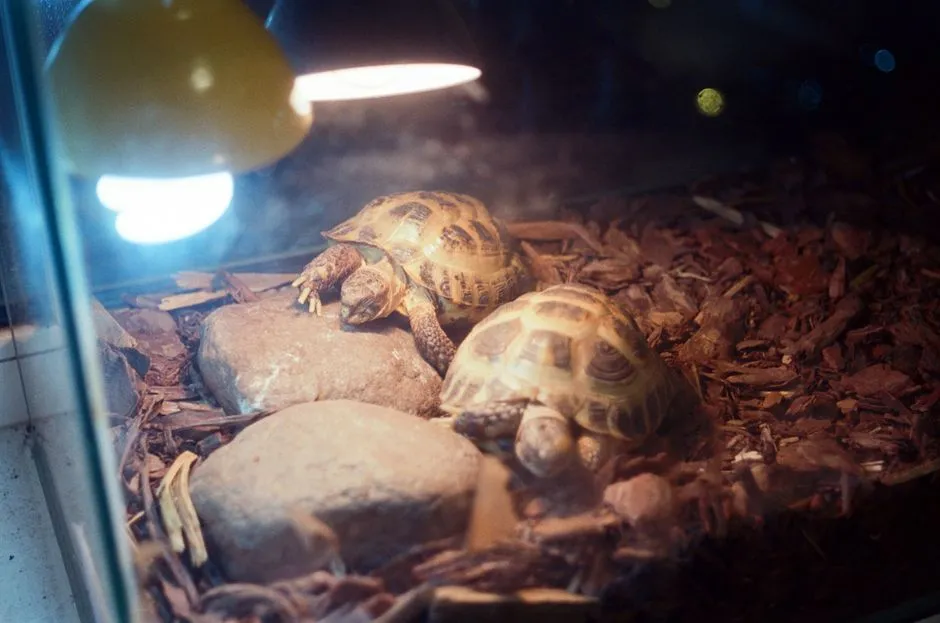
- How do you set up a reptile enclosure?
- Write a species card before buying equipment
- Choose the enclosure around the adult animal
- Build heat as a measured gradient
- Add lighting as a separate system
- Set humidity without sacrificing ventilation
- Add substrate, hides, water, and structure
- Measure the complete setup before adding the animal
- Spend first on control, measurement, and security
- Plan routine care into the layout
- Know which changes belong with a reptile vet
- Final enclosure checklist
- Sources
How do you set up a reptile enclosure?
Set up a reptile enclosure in this order: identify the exact species and adult needs, choose a secure enclosure, install thermostat-controlled heat, add species-appropriate lighting, measure temperature and humidity gradients, then add substrate, hides, water, and safe furnishings. Run the complete enclosure empty through normal day and night cycles before the animal arrives. There is no universal reptile temperature, humidity, UVB level, substrate, or tank size; copy every target from a named standard for that species.
This order separates life-support equipment from decoration and exposes problems while the enclosure is empty.
Write a species card before buying equipment
Reptiles differ in climate, body shape, activity period, diet, and use of space. A desert-lizard setup can be wrong for a forest gecko or burrowing snake.
Make a one-page species card with these fields:
| Field | What to record | Where the value must come from |
|---|---|---|
| Adult space | Internal length, width, height, and usable climbing or floor area | Current species care standard |
| Thermal gradient | Warm, cool, and basking surface targets; night pattern if applicable | Reptile veterinarian or named species standard |
| Humidity | Ambient range, humid microclimate, and ventilation needs | Named species standard |
| Light | Day length, visible light, UVB need, target exposure, shade | Named species standard and lamp documentation |
| Interior | Substrate, hides, climbing, water, and feeding arrangement | Named species standard |
| Monitoring | Where and how each target will be measured | Equipment manual plus species standard |
| Health route | Nearest veterinarian experienced with reptiles | Confirmed before purchase |
Do not average figures across species. If reputable standards disagree, ask a reptile veterinarian which target fits the animal, life stage, health, and enclosure.
The CDC advises researching the specific animal and asking a veterinarian about its food, care, environment, and other needs before purchase. Local and property rules also matter. Venomous species and animals restricted by local law are outside this guide; check the relevant wildlife, licensing, housing, and insurance rules before acquiring any reptile.
Choose the enclosure around the adult animal
Start with adult dimensions and movement: usable floor area for ground dwellers, safe vertical structure for arboreal species, and supported furnishings for heavy-bodied snakes. Juveniles still need cover and correctly placed resources.
Check five practical details before buying:
- Internal dimensions: seller labels and nominal volume do not describe usable floor or climbing space.
- Security: doors, vents, cable ports, lids, and locks must prevent escape without creating sharp edges or pinch points.
- Access: cleaning, feeding, measurement, and veterinary capture must be possible without dismantling the habitat.
- Ventilation: openings must support the species' air exchange while still allowing its temperature and humidity targets.
- Equipment fit: lamps, guards, probes, hides, branches, water, and substrate reduce usable space.
Glass, PVC, and sealed wood can work when material, ventilation, dimensions, and equipment match the species. Measure the room, doorways, stand, electrical access, and adult habitat before paying.
Place the enclosure on a level, stable support rated for the full setup. Keep it away from direct sun, heaters, air-conditioning outlets, and other uncontrolled heat sources. Direct sunlight through a window can change enclosure temperature quickly. Mains changes, damaged wiring, or structural mounting belong to a qualified electrician or appropriate trade, following the equipment and enclosure manuals.
Build heat as a measured gradient
Reptiles use environmental heat to regulate body temperature. The enclosure therefore needs choices, not one uniform reading. Merck Veterinary Manual describes thermostat-controlled heat positioned toward one end so the animal can move through a thermal gradient. It also warns that hot rocks frequently cause burns.
Choose heat only after completing the species card. Match the device to the named care standard, enclosure material, and a thermostat designed for its load and control method.
The thermostat regulates the source; separate instruments verify the habitat. Record warm and cool air temperatures and any required basking-surface target. Put sensors where the standard says the animal uses the space.
Keep every heater outside direct animal contact or behind the guard required by its instructions. Do not improvise lamp mounts, bypass a thermostat, exceed an electrical rating, or use a damaged fitting. If the enclosure or room cannot hold the full species-specific gradient safely, stop and redesign it before the animal arrives.
Add lighting as a separate system
Heat, visible light, and ultraviolet B are related but not interchangeable. Check what each device produces and how it must be mounted.
The existing species-by-species UVB guide explains the lighting question in depth. For this setup sequence, record four things: whether the species standard requires or recommends UVB, the target exposure at animal level, the safe distance and obstruction conditions for the exact lamp, and where the animal can retreat into shade.
Do not choose UVB from a box percentage alone. Distance, reflector, mesh, glass, fixture, lamp age, and animal position affect exposure. Ferguson and colleagues grouped 15 lizard and snake species into four zones and reported time and seasonal variation. The framework is not a universal reading.
Provide a stable day-night schedule from the species standard. Do not use colored night lighting as a decorative default. Record the installation date and the manufacturer's replacement or measurement instructions. A lamp can still look bright when its useful ultraviolet output has changed.
Set humidity without sacrificing ventilation
Humidity is another species-specific gradient. Merck notes that temperature and humidity choices let reptiles move among warmer, drier and cooler, moister areas. Some animals need a humid hide or local microclimate rather than one humidity throughout the enclosure.
Choose substrate, water placement, ventilation, and any humid area together. Do not cover ventilation until a display shows the preferred number. Merck's professional husbandry guidance warns that reducing ventilation to maintain heat and humidity can contribute to skin and respiratory disease.
Place reliable hygrometers where the species standard requires. One sensor cannot describe every level of a tall enclosure or every hide. Compare useful locations and normal daily variation.
Condensation, persistent wet surfaces, stale air, or mold require husbandry review. Readings outside the named standard or an unwell animal require a reptile veterinarian.
Add substrate, hides, water, and structure
Choose substrate for the species, life stage, health, feeding method, humidity, and cleaning routine. Neither loose substrate nor bare floor is universally correct. Follow veterinary instructions for quarantine or medical setups.
Provide secure hides across necessary temperature and humidity zones. Arboreal animals need stable climbing routes suited to their feet and weight; burrowing animals need species-supported substrate and depth.
Set heavy branches, rocks, and hides so digging or climbing cannot shift them onto the animal. Remove sharp edges, unstable stacks, adhesive surfaces, small gaps that can trap a head or limb, and décor treated with an unknown coating. Use only materials confirmed suitable for the species and the intended temperature.
Provide water in the form and location the care standard specifies. The dish must be stable and reachable. Aquatic and semiaquatic habitats need a species-specific water-quality and filtration plan beyond this general guide.
Measure the complete setup before adding the animal
Run the complete enclosure empty. RSPCA guidance uses a minimum one-week empty run for bearded dragons; that duration is species-specific. For other reptiles, observe enough normal day and night cycles to show every recorded target can be maintained.
Keep a setup log:
| Check | Record |
|---|---|
| Start and end of light cycle | Warm, cool, surface, humidity, and UV readings required by the species card |
| Thermostat operation | Set point, measured result, probe position, and any overshoot |
| Equipment behavior | Cycling, unusual heat, noise, flicker, loose fittings, or error states |
| Habitat stability | Shifting décor, wet patches, drying rate, and blocked entrances |
| Failure response | What happens after a brief door opening or ordinary room change |
Do not test electrical faults, remove guards, or simulate failures that the equipment manual does not authorize. If a device runs unusually hot, smells, sparks, flickers, trips protection, or has damaged insulation, disconnect it only if that can be done safely and follow the manufacturer or a qualified electrician.
Photograph probe positions and write the accepted readings on the species card. That record makes later changes visible instead of relying on memory.
Spend first on control, measurement, and security
Prioritize a correctly sized secure enclosure, compatible thermostat, appropriate heat and lighting, reliable instruments, hides, water, and substrate. Treat starter kits as parts lists: count what matches the species standard and price what remains. For used equipment, require known history, cleanable material, verified model and instructions, and service life that can be confirmed. Reject cracked glass, damaged seals, warped doors, unreliable locks, exposed wiring, and uncleanable porous material.
Plan routine care into the layout
Leave room to remove waste, change water, inspect the animal, clean surfaces, and reach measuring devices without disturbing every hide. Put supplies near enough that care is easy, but keep animal equipment out of kitchens and food areas.
The CDC says healthy reptiles can carry Salmonella. Wash hands with soap and running water after handling the animal, food, waste, water, or habitat equipment and before eating or drinking. Keep reptiles and their equipment out of food areas. Children under five should not handle reptiles or their environments; the CDC does not recommend reptiles for households with children under five, adults 65 or older, or people with weakened immune systems.
Clean habitat items outside when possible. If they must be cleaned indoors, use a laundry sink or bathtub rather than a kitchen or food-preparation area, then clean and disinfect the area according to current CDC guidance. Keep feeder-animal equipment separate from human food equipment.
Know which changes belong with a reptile vet
Identify a veterinarian experienced with reptiles before the animal comes home, and ask which species-specific care standard to follow.
Contact that veterinarian for reduced appetite outside an expected species pattern, weight loss, repeated regurgitation or vomiting, abnormal droppings, difficult breathing, discharge, swelling, wounds, weakness, unusual posture or movement, persistent shedding trouble, burns, or a marked behavior change. Do not respond by raising heat, changing supplements, medicating, force-feeding, or copying a treatment from a forum.
If conditions leave the recorded target, follow the veterinarian's or emergency plan. Any temporary container still needs species-appropriate security, temperature, ventilation, and supervision. Husbandry correction does not diagnose or treat illness.
Final enclosure checklist
- Exact species, adult size, legal status, and veterinarian are confirmed.
- Every dimension and environmental target comes from a named species standard.
- Enclosure, doors, vents, cable ports, locks, stand, and furnishings are secure.
- Heat is thermostat-controlled, guarded, and verified with separate instruments.
- Warm, cool, basking, humidity, light, UVB, shade, and night conditions match the species card.
- Substrate, hides, water, climbing or burrowing structure, and feeding area fit the animal.
- The fully furnished enclosure has completed a documented empty run.
- Cleaning can happen without using a kitchen or food-preparation area.
- Salmonella handwashing and young-child protections are part of the household plan.
- The keeper knows which environmental changes require redesign and which health signs require a reptile veterinarian.
The bearded dragon tank setup and leopard gecko care guide keep every husbandry figure with its named species.
Sources
- CDC: Reptiles and Amphibians — published January 13, 2026; supports pre-purchase research, reptile-veterinarian routing, legal checks, Salmonella carriage, handwashing, food-area separation, household risk groups, and cleaning-location guidance.
- Merck Veterinary Manual: Management and Husbandry of Reptiles — reviewed September 2025; supports thermostat-controlled heat, guarded sources, thermal gradients, the hot-rock warning, species-sensitive lighting and humidity, and the ventilation caution.
- Merck Veterinary Manual: Nutrition in Reptiles — reviewed September 2025; supports the interaction among photoperiod, temperature, humidity, substrate, stress, furnishings, and feeding, plus temperature and humidity gradients.
- RSPCA: How to care for your bearded dragon — accessed September 3, 2026; supports the explicitly species-scoped example of running a bearded-dragon enclosure for at least one week before arrival and measuring its conditions.
- Ferguson and colleagues: Voluntary exposure of selected snakes and lizards to UVB — published in 2010; supports the four-zone field framework for the 15 studied species and its reported time and seasonal variation.