Which Pet Snake Should a Beginner Get? Comparing the Common First Snakes
- Which pet snake is the best fit for a beginner?
- How do corn snakes, kingsnakes and royal pythons compare?
- Why is a corn snake often the easiest first choice?
- When might a kingsnake be the better match?
- Why can a royal python be harder for a first-time keeper?
- What should you ask before choosing an individual snake?
- Which snakes are outside this beginner comparison?
- What health and hygiene rules apply to every option?
- What is the practical decision?
- Sources
Which pet snake is the best fit for a beginner?
For many first-time keepers, a captive-bred corn snake is the most forgiving place to begin: it is generally placid, active enough to observe and usually takes appropriately sized dead mice. A kingsnake can suit someone who wants a more visible, active snake and accepts firmer feeding boundaries. A royal python can become docile, but its higher humidity needs and tendency to stop feeding make it the more demanding first choice.
“Beginner snake” does not mean low-maintenance. All three need a secure, species-sized enclosure, controlled heat, measured temperature and humidity, appropriate lighting, hides, enrichment, dead prey and access to a reptile-experienced veterinarian. This is a desk-researched comparison, not hands-on testing, and individual snakes vary.
How do corn snakes, kingsnakes and royal pythons compare?
| Decision point | Corn snake | Kingsnake | Royal python |
|---|---|---|---|
| Adult size in the RSPCA guides | Around 150 cm | Around 180 cm | Around 150 cm, with sex-related variation |
| General activity | Mainly active at dawn and dusk; also climbs | Mainly active by day, shifting in hot conditions | Mainly active at dawn and dusk; heavy-bodied and likes cover |
| Handling outlook | Placid and can become used to regular handling | Can become used to handling but is not keen on long sessions | Can become docile with careful handling; hatchlings may be shy and defensive |
| Routine humidity | Around 40–50% | Around 40–55% | Normally around 50–60%, with controlled temporary increases |
| Feeding consideration | Dead mice; a comparatively straightforward documented routine | Dead mice or rats; strong food response requires careful handling habits | Frozen-thawed rodents; feeding refusal deserves extra consideration |
| Important commitment point | Needs room to stretch and opportunities to climb | Can exceed 20 years in captivity and must live alone | Requires tighter humidity observation and a feeding-history check |
The figures are not interchangeable setup targets. They show why the species choice comes before buying equipment. Each enclosure must be built around the exact animal, its expected adult size and the current care guidance for that species.
Why is a corn snake often the easiest first choice?
The RSPCA describes corn snakes as quite placid and says they can become used to regular handling. Its care guide gives a typical adult length of around 150 cm, although an enclosure still needs to let the snake stretch out fully. Corn snakes are active, climb when given the opportunity and need more than an empty box with a hide.
Their documented feeding routine is also clear. The RSPCA recommends dead mice, with hatchlings generally eating one baby mouse every five to six days and adults moving toward one adult mouse every seven to 14 days. Prey size, body condition and the individual animal still matter; those intervals are not permission to feed by calendar without monitoring weight.
The enclosure needs a measured thermal gradient, about 40–50% humidity in the cited guide, secure doors and guarded, thermostatically controlled heat. A corn snake is the leading beginner option here because those requirements are comparatively straightforward to monitor, not because the animal can tolerate missing equipment or casual care.
When might a kingsnake be the better match?
A kingsnake may suit a keeper who wants a snake that is commonly active during the day. The trade-off is size and commitment. The RSPCA says kingsnakes can reach around 180 cm and live longer than 20 years in captivity. That makes the adult enclosure and the long-term care plan part of the buying decision, even when the snake at the shop is small.
Kingsnakes should be housed singly. The RSPCA notes that they are solitary and territorial and may attack or cannibalise another snake. Their natural diet includes other reptiles, and a strong feeding response means prey scent and handling routines need particular discipline. Wash hands after handling prey, use the documented feeding method, and do not handle immediately after feeding.
They can become accustomed to handling, but the same source says they are not keen on being held for long periods. A beginner who wants an animal to carry around frequently is choosing the wrong type of pet, regardless of species.
Why can a royal python be harder for a first-time keeper?
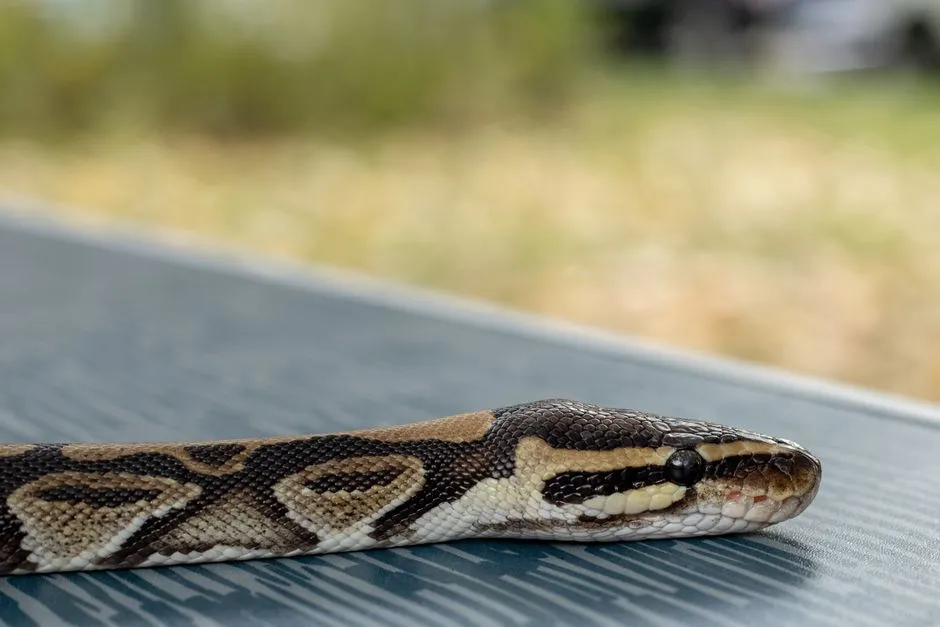
Royal pythons, also called ball pythons in the United States, are often appealing because the RSPCA describes them as docile by nature. Calm handling potential is only one criterion. Their husbandry requires a normally higher humidity range than the other two snakes in this comparison, and the enclosure must provide multiple close-fitting hides, cover and secure climbing opportunities for a heavy-bodied animal.
They also have a reputation for going off food. The RSPCA advises a buyer to ask how a particular royal python has been feeding and to avoid acquiring one that has not been feeding well. A sudden stop in feeding should be discussed with a reptile-specialist veterinarian rather than answered with repeated changes or forced feeding.
If a royal python is still your preferred species, read the complete ball-python humidity guide before choosing the enclosure. The keeper must be comfortable reading a hygrometer, checking ventilation and distinguishing a controlled humidity increase from constantly wet conditions.
What should you ask before choosing an individual snake?
Ask the breeder, rescue or seller for the exact species, age, current weight, feeding record, prey type, last successful feed, shedding history and any veterinary records. Ask whether the snake is captive-bred and observe it without requesting unnecessary handling.
Look for clear eyes outside a normal shed cycle, smooth skin, normal breathing and no unexplained swelling, discharge, wounds or retained shed. These are screening observations, not a diagnosis. Do not buy an unwell-looking animal with the idea that beginner care will correct it; arrange an assessment by a reptile-experienced veterinarian.
Confirm that an appropriate veterinarian is accessible before bringing the snake home. Price the adult enclosure, thermostats, guarded heat and light equipment, digital thermometers, hygrometer, hides, substrate, food, cleaning supplies and veterinary care. This article does not quote prices because they vary by location and change over time.
Which snakes are outside this beginner comparison?
Venomous snakes are excluded. So are wild-caught animals, unusually large constrictors and any species whose adult housing or specialist care exceeds what the household can provide. Do not treat an online “beginner” label as permission to keep a restricted animal.
Possession, transport and sale rules differ by jurisdiction and may apply even to non-venomous species. Check the current requirements with the relevant wildlife or licensing authority before paying a deposit. Never release an unwanted reptile outdoors; contact a reputable reptile rescue or the appropriate local authority.
What health and hygiene rules apply to every option?
Reptiles can carry Salmonella even when they appear healthy. The US Centers for Disease Control and Prevention advises washing hands with soap and water after touching reptiles, their food, waste, equipment or habitat. Keep reptiles and their supplies out of kitchens and other food-preparation areas, and do not clean habitat items in food-preparation sinks.
Children younger than five, adults aged 65 and older, and people with weakened immune systems have a higher risk of serious illness from reptile-associated germs. The CDC says households with children under five should consider a different pet. Adults must supervise children around the animal and its equipment.
Heat lamps must be guarded, and every heat source must be controlled by the appropriate thermostat and checked with separate measuring equipment. Do not improvise mains wiring, open electrical devices or bypass protective components. Follow manufacturer instructions and use a qualified electrician for outlet, wiring or fixed-installation work.
What is the practical decision?
Choose the species whose adult requirements you can meet reliably, not the juvenile that looks easiest to hold. A corn snake is the strongest general starting point in this comparison. Choose a kingsnake when daytime activity appeals and the larger adult footprint, solitary housing and feeding response fit your plan. Choose a royal python only when you are prepared for closer humidity management and possible feeding pauses.
Set up and test the complete enclosure before acquiring the animal. If no option fits the available space, time, household health situation and veterinary access, waiting is the responsible decision.