Best Beginner Lizard? Compare the Usual Three
Which lizard is best for a beginner?
For many first-time keepers, a leopard gecko is the most manageable of the usual choices: it needs a secure ground-level enclosure, live feeder insects, controlled heat and UVB, and gentle handling on its terms. A crested gecko suits someone prepared to manage a tall, humid habitat; a bearded dragon needs more space, stronger lighting and a mixed plant-and-insect diet. The right beginner lizard is the one whose adult care you can sustain for its full life.
“Beginner” should describe a workable routine, not a disposable pet. All three animals need measured environmental controls, specialist veterinary access, cleaning, fresh food and years of care. None is a low-maintenance ornament.
Compare the three common choices
| Species | Best fit for | Daily reality | Main constraint |
|---|---|---|---|
| Leopard gecko | A keeper comfortable with live insects and a ground-focused enclosure | Check heat, water and the animal; manage feeders and supplements | Tail and handling must be treated gently; care can last up to 20 years |
| Crested gecko | A keeper who can maintain a tall planted space and monitor humidity closely | Check temperature, humidity, water and food; manage climbing routes | It jumps, needs vertical space and may drop a tail that does not regrow |
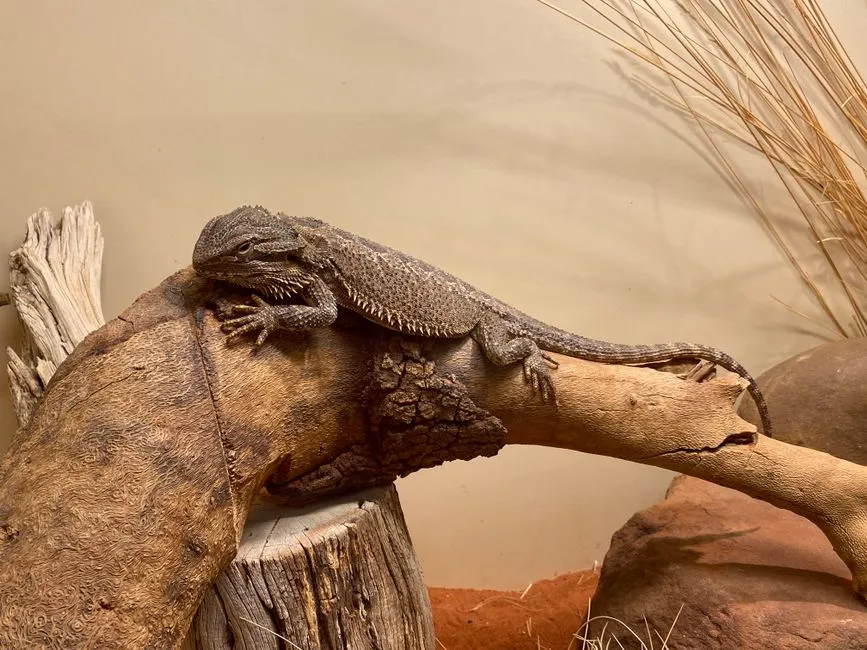
| Bearded dragon | A keeper with room for a larger enclosure and time for plant and insect food prep | Check the heat and UVB gradient, water, greens, feeders and waste | Larger habitat, high-output UVB and a diet that changes with age |
These are criteria-led comparisons based on current RSPCA species guides, not hands-on product tests or guarantees about temperament. Individual animals differ. Read the full standard for the exact species and morph before paying a deposit or buying equipment.
When does a leopard gecko make sense?
A leopard gecko is terrestrial, so its enclosure emphasizes usable floor area, secure hides, a controlled warm-to-cool gradient and a local humid hide rather than tall climbing height. The RSPCA recommends a minimum adult vivarium of 60 by 40 by 30 centimetres, while encouraging more space where possible. It also calls for regulated heat, measured UVB and daily environmental checks.
Food is the decisive test. Leopard geckos eat varied live invertebrates. The insects need housing, hydration and gut-loading, then the correct supplements immediately before feeding. If live feeders are a firm no for anyone responsible for routine care, choose another pet rather than planning to “get used to it later.”
The handling case is favorable but conditional. The RSPCA says leopard geckos can become used to handling and advises gently scooping with all four feet supported. Backing away or threatening to bite means stop and try another time. Never grip or press the tail; a leopard gecko can drop it.
Its compact body does not make the commitment short. The same care guide says leopard geckos can live up to 20 years. Plan for housing moves, holidays, feeder supply and reptile-veterinary costs across that span.
Who is a crested gecko for?
A crested gecko changes the geometry. It is arboreal, meaning it lives above the ground, so a tall enclosure with secure branches, vines and hides matters. The RSPCA's adult minimum is 45 centimetres wide, 60 centimetres tall and 45 centimetres deep. The guide also calls for controlled heat, UVB, a hygrometer and a humidity cycle without waterlogging the substrate.
That makes it a better fit for a home with vertical room than for a low shelf. It is not the easy answer to avoiding live feeders: the RSPCA describes a varied diet including fruit-based food and live invertebrates with appropriate supplementation.
Crested geckos can become used to handling after settling, but they are able jumpers. The animal should climb onto a hand voluntarily. Never hold the tail; the RSPCA notes that a dropped crested-gecko tail does not regrow. Choose this species if observation, careful enclosure access and short voluntary interactions sound satisfying—not if frequent carrying is the main reason for buying a lizard.
The guide gives a potential captive lifespan of 15–20 years. Humidity equipment, replacement lighting, feeder care and veterinary access must remain workable after the novelty of a dramatic planted enclosure wears off.
Is a bearded dragon a good first lizard?
A bearded dragon can suit an engaged beginner with more space and a reliable daily routine. It is also the most demanding of these three in habitat footprint and lighting. The RSPCA's care standard specifies a pronounced heat gradient and high-output UVB, both measured at the animal's level. That means regulated equipment, guards, meters and replacement lamps—not a sunny window.
Feeding involves both greens and live invertebrates. The balance shifts as the animal grows, so the juvenile routine should not continue unchanged into adulthood. Preparing safe fresh plants, caring for feeders, following the supplement label and removing leftovers are recurring jobs.
Bearded dragons may become accustomed to supported handling, but consent still applies. The RSPCA advises not surprising or grabbing the animal, supporting all four legs, and leaving it alone when it backs away or threatens to bite. A reputation for being “friendly” is not permission to override the lizard in front of you.
Choose a bearded dragon when the larger enclosure, lighting system and two-part diet are positive parts of the project. If they feel like exceptions you hope to simplify, a leopard gecko may fit better.
What should you price before choosing?
Do not compare shop stickers alone. Build a requirements list for the adult animal and obtain current local costs for:
- the species-standard adult enclosure and secure furniture;
- thermostat-controlled heat and protective lamp guards;
- appropriate UVB equipment, a meter or professional measurement access, and scheduled lamp replacement;
- digital temperature and humidity instruments;
- substrate, hides, water dishes and cleaning supplies;
- live feeders, fresh plant foods and labelled supplements;
- routine and urgent care from a reptile veterinarian; and
- competent holiday care.
We have not priced or tested particular enclosures, lamps or food brands. Local electricity, veterinary and feeder costs vary too much for a universal running figure. The useful comparison is your written adult setup and recurring-care total for each species.
Run a seven-day rehearsal
Before acquiring the animal, rehearse the routine for a week. Set up the complete enclosure, operate regulated heat and lighting, and record measurements at the times required by the care standard. Practice the feeding and cleaning schedule without an animal present. Confirm who handles every task when the main keeper is away.
Locate a veterinarian who actually treats reptiles and ask how after-hours care works. If the equipment will not hold the required conditions, the routine does not fit the household, or nobody will manage live food, solve that before bringing a lizard home.
Once the animal arrives, weight loss, persistent refusal to eat, abnormal droppings, weakness, swelling, repeated shedding trouble or marked behavior change goes to a reptile veterinarian. Do not adjust supplements or give medicines without veterinary direction.
Remember the household hygiene decision
The US Centers for Disease Control and Prevention says even healthy-looking reptiles can carry Salmonella. Wash hands with soap and running water after touching the lizard, its food, waste or habitat equipment and before eating or drinking. Keep the animal, its food and all equipment out of kitchens and anywhere human food is prepared, stored, served or eaten.
The CDC says children younger than five should not touch reptiles, amphibians or their environments, and it identifies older adults and people with weakened immune systems as higher-risk groups. Consider another pet when the household includes someone at higher risk. This is part of choosing the right animal, not a cleaning detail to discover after purchase.